
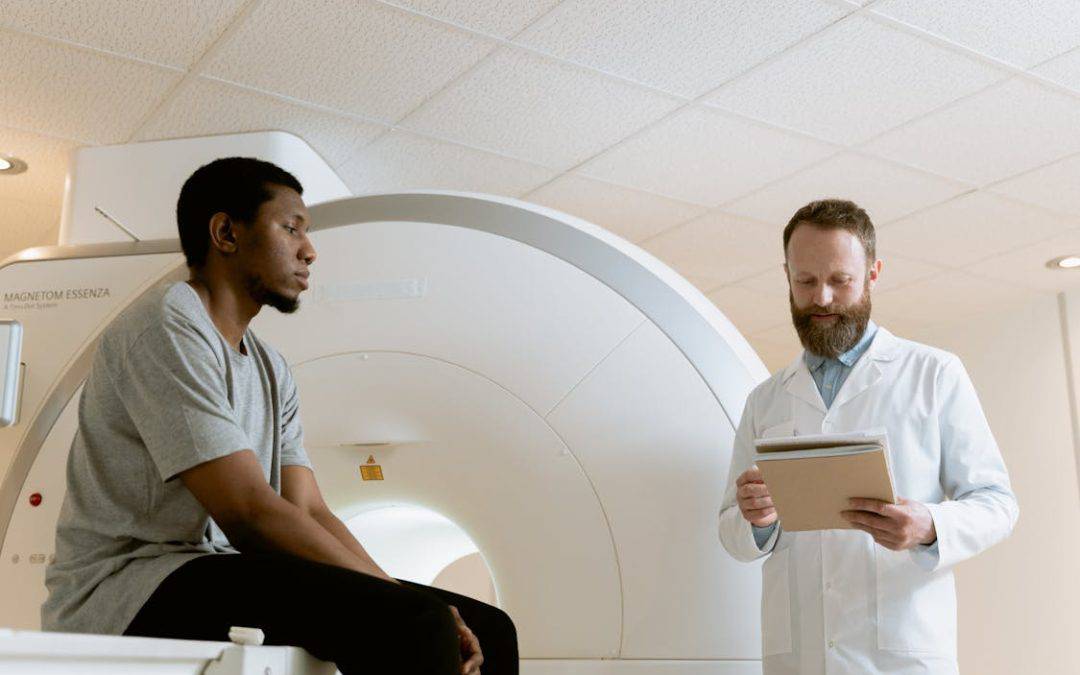
Modernizing workflows across outpatient radiology requires a clear plan that connects clinical tasks, data flows and human interaction. Mapping how patients arrive, how orders are placed and how images move from scanner to report reveals where time is lost and where small changes have big payoff.
For teams looking to stay informed about operational improvements, many turn to quick reads for imaging leaders that highlight practical ideas for improving radiology workflow and management.
Effective modernization reduces delays, lowers stress for staff and improves the patient experience without chasing shiny tools alone. Simple steps can reshape throughput while preserving clinical judgment and safety.
Assess Current Workflow Bottlenecks
Begin by charting the typical patient path from referral to report sign off and mark where queues form and where handoffs stall. Spend time observing front desk, technologist and radiologist work so that patterns emerge and real causes are visible rather than guessed.
Use short timed observations and a few staff interviews to collect data, then cut to the chase and highlight three to five repeatable issues that can be tackled in a sprint. Quick wins will build momentum and free capacity for more ambitious changes later on.
Standardize Data Capture And Order Entry
Create a consistent set of fields for orders and intake so that critical information travels cleanly into imaging systems and the electronic record. Structured inputs reduce back and forth phone calls and make protocol selection faster for technologists, which keeps scanners moving and patients happier.
Templates for common examinations and clear rules for clinical questions can lower the frequency of incomplete orders and result in faster study completion. Over time, a pattern of clean orders yields fewer delays and smoother reporting.
Streamline Scheduling And Patient Intake

Shift scheduling toward a mix of shorter and longer slots matched to exam types so capacity matches demand and wait times drop without overstretching staff. Pre-visit electronic forms and clear instructions cut no shows and reduce the time spent checking safety screens at the front desk.
When staff can greet a patient who has already completed intake tasks the visit feels more professional and less frantic, which is good for morale and for throughput. Small adjustments to block scheduling and a steady cadence for high volume exams can make daily flow far more predictable.
Integrate Imaging Modalities And Reporting Systems
Aim for seamless exchange between imaging devices, the picture archive and the reporting environment so that images and prior studies are available at the point of interpretation. Consistent patient identifiers and automated study matching prevent lost files and confusing duplicate exams, which can eat up radiologist time.
When prior images and pertinent clinical notes appear side by side with the current study radiologists make faster, more confident calls and turnaround improves. Smooth integration also supports consistent quality checks and easier follow up when action is required.
Automate Repetitive Tasks With Intelligent Tools
Identify mundane, rule based tasks that can be handed off to software so staff focus on work that needs human judgment and nuance. Examples include automated exam labeling, dose tracking, reminder messages and alerts for missing clinical history, which free technologists and clerical staff for patient facing work.
Carefully chosen tools can flag urgent findings for rapid review without drowning teams in noise, and simple automation often pays for itself through saved time. Start small with a pilot and expand what works while keeping clinicians in the loop.
Enhance Communication Between Teams And Patients
Create clear channels for short questions and quick consults so that problems get solved without a flurry of calls and interruptions that sap efficiency. Secure messaging tied to specific studies and tasks keeps context intact and makes follow up easier, while scheduled case huddles allow complex patients to be discussed once rather than repeatedly.
For patients, timely status updates and plain spoken preparation items reduce anxiety and cut wasted time from missed instructions or late arrivals. Better dialogue builds trust and keeps the system moving.
Monitor Performance With Actionable Metrics
Select a small set of metrics that reflect throughput, quality and patient experience and review them regularly so trends are visible and can be acted upon. Track turnaround times from order to report, scanner utilization, repeat rate and patient wait intervals to detect bottlenecks before they become crises.
Share goals and simple dashboards with front line staff so the team sees progress and can pitch in with improvements, keeping pride high and fatigue low. Periodic review cycles that include frontline feedback often reveal fixes that top down direction misses.
Plan For Change Management And Staff Training
Roll out changes in stages with clear role expectations and hands on coaching rather than a single big bang conversion that shocks the daily routine. Engage representative staff early, run short pilots that produce measurable wins and make training bite sized so people can learn while working.
Recognize early adopters and surface small user generated improvements that make the new flow more practical, which encourages broader adoption. A steady sequence of practical support and visible wins helps shift habits and turn process changes into lasting practice.